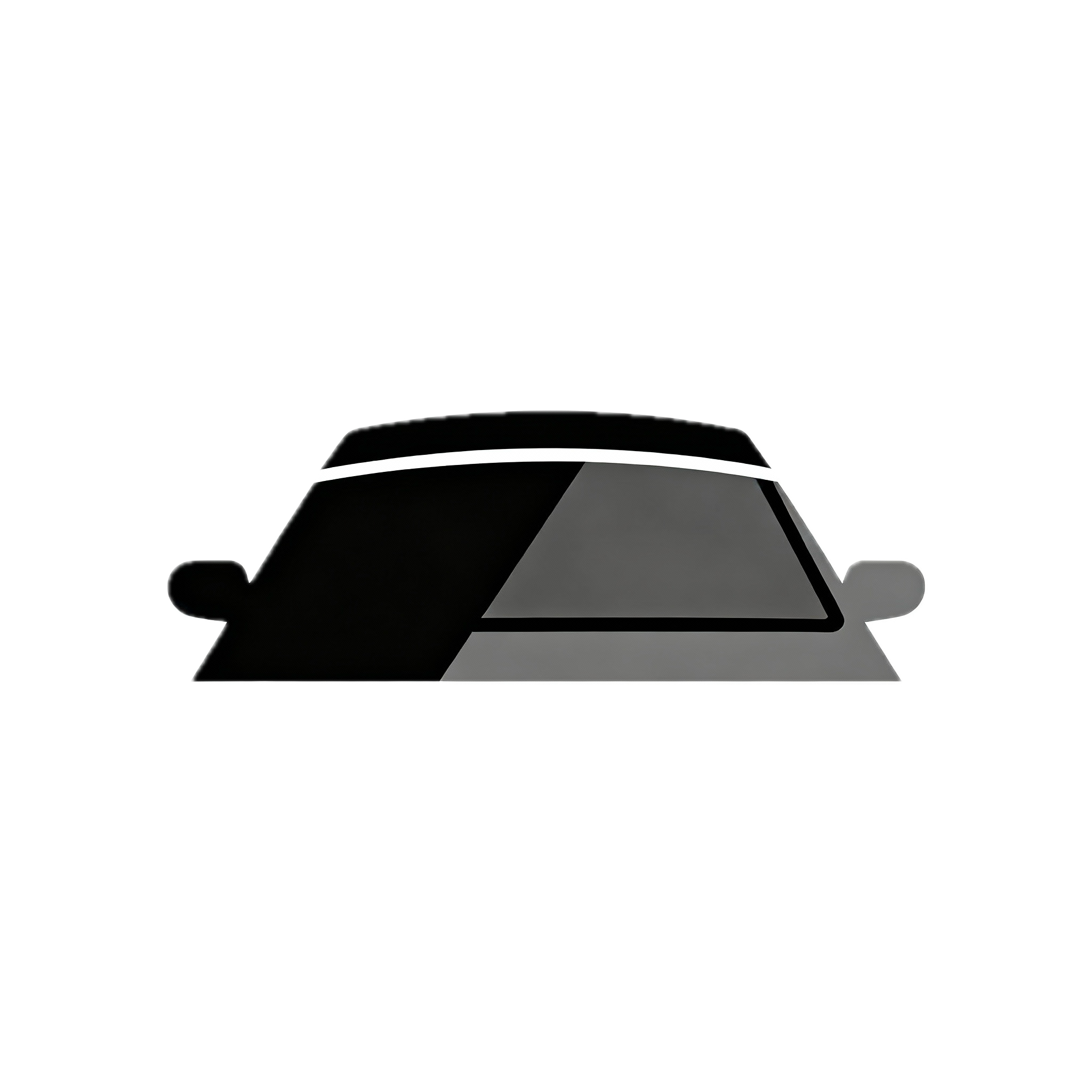
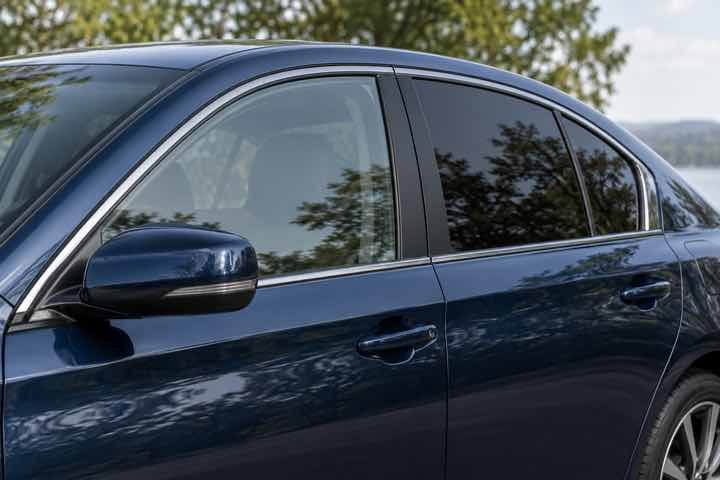
Window tint percentages describe how much visible light passes through the glass. The number is called visible light transmission (VLT): a lower percentage means less visible light gets through and the tint usually looks darker.
Quick guide: 5% is very dark, 20% is dark, 35% is a medium shade, and 50% is lighter. These are general visual descriptions, not guaranteed results or statements about what is legal. The final VLT depends on the vehicle glass and the film installed on it.
Window tint percentage chart
This chart is a starting point for comparing common film labels. “Appearance” is approximate: glass color, lighting, interior color, and viewing angle can all change how tint looks from inside and outside.
| Film VLT label | Typical look | What to expect | Ask the installer |
|---|---|---|---|
| 5% | Very dark | Strongly reduces visible light; visibility from inside can be limited, especially at night. | Is this allowed on this specific window, and how will it affect night driving? |
| 20% | Dark | A noticeably shaded look; the cabin is harder to see into in many daylight conditions. | Can I see this shade on glass similar to my vehicle’s windows? |
| 35% | Medium to medium-dark | A balanced shade for many drivers, though the result still varies with the factory glass. | What final VLT should I expect after installation? |
| 50% | Moderate, relatively light | Keeps a lighter appearance while filtering some visible light. | How does this film’s heat rejection compare with darker options? |
| 70% | Very light, often close to clear | Preserves a bright view; a high-VLT film can still have meaningful solar performance depending on its construction. | Can you show the film’s published heat and UV performance data? |
The descriptions above are general comparisons, not promises about a specific vehicle. Check the exact product data and local rules before choosing a shade.
What does VLT mean?
VLT is the percentage of visible light that passes through a material. If a film is labeled 35% VLT, the label describes the film’s light transmission under the manufacturer’s test conditions. It does not necessarily mean a window will measure exactly 35% after that film is installed.
Your vehicle’s factory glass already blocks some light. Adding film changes the combined light transmission. For example, a glass window that starts below 100% VLT will generally end up with a lower net VLT once film is applied. The exact result depends on the glass and the film.
Manufacturer data shows why it is useful to ask about the finished combination. In its automotive security-film data, 3M publishes different net VLT examples for the same film on different reference glazing. Those test figures are specific to the listed film and glass; they are not a universal conversion chart. See the 3M Scotchshield Auto Security Film technical data sheet and ask your installer for the data for the product being quoted.
Does darker tint block more heat?
Not necessarily. Darkness is about visible light transmission. Heat control depends on the film’s construction and its measured solar performance. A light-looking ceramic film can reject substantial solar energy, while a darker film is not automatically the better heat-rejection option.
When comparing quotes, ask for the manufacturer’s technical data for the exact film series. Compare the same performance measures across products, and ask what the figures mean for your vehicle’s glass.
How to choose a tint percentage
- Start with the law for your vehicle and location. Rules can differ by window, vehicle type, and jurisdiction. Check a current official state or local source, then confirm how the rule is measured. Do not assume that a shade offered by a shop is legal for every window.
- Think about driving at night. Darker film can make it harder to see pedestrians, cyclists, and obstacles in low light, particularly through rear windows.
- Consider your privacy and visibility goals. A shade that looks private outside during bright daylight may look different at night when the cabin is lit.
- Compare performance separately from shade. Ask for VLT plus the film’s published solar and UV performance, warranty, and exact product series.
- Look at a sample on similar glass. Ask the shop to demonstrate the shade against a window with a similar factory tint. If a shop provides a final VLT estimate, ask how it was determined.
Questions to ask before booking
- What is the exact film manufacturer and series?
- Is the VLT number for the film alone or the finished film-and-glass combination?
- What final VLT do you expect on each window of my vehicle?
- Can you show the product’s technical data and written warranty?
- Does this shade comply with the rules that apply to my vehicle and each window?
- Can I see a sample in daylight and from inside the vehicle?
A tint meter can measure visible light transmission, but readings depend on the instrument and how it is used. If you want to compare options, browse automotive window tint meters and check the meter’s compatibility and instructions before buying. Some links in this article are affiliate links. As an Amazon Associate, Window Tint Locator earns from qualifying purchases.
Next step: Compare the film data and installation details from local professionals in the Window Tint Locator listings. Ask each shop to quote the same film series and expected finished VLT so you can compare like for like.
Leave a Reply
You must be logged in to post a comment.